Signs you may need a repipe
- Gray polybutylene pipe, common in homes built from 1978 to 1995
- Repeat pinhole leaks in copper pipe
- Galvanized steel pipe with low pressure or rusty water
- Pressure that has dropped at fixtures across the house
- Green or white crust on pipes and fittings
- A remodel that already has walls open
Polybutylene pipe
Builders put polybutylene water pipe in millions of American homes from about 1978 to 1995. Chlorine in treated water breaks the plastic down over time, and the pipe can fail without warning.
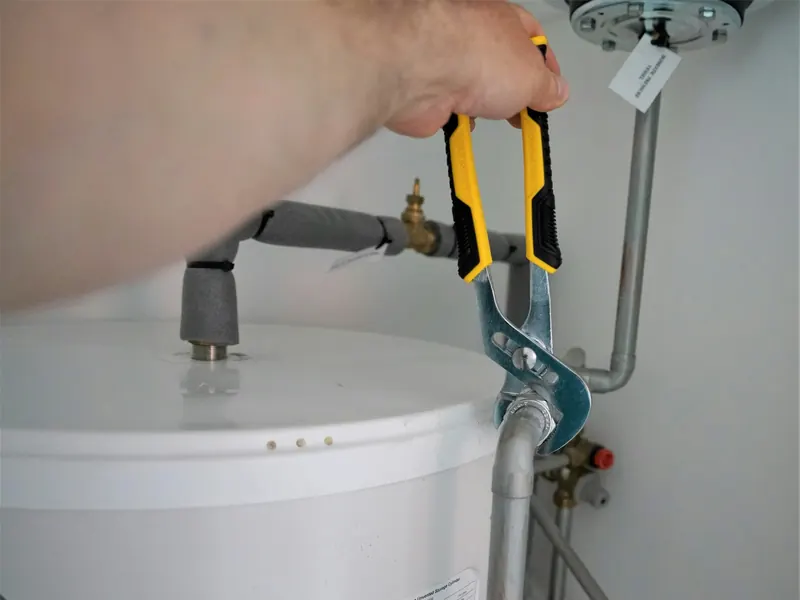
Look where pipe is exposed: at the water heater, under sinks, behind toilets and where the main line enters the house. If you see flexible gray plastic pipe with crimp rings, book an estimate for replacement.
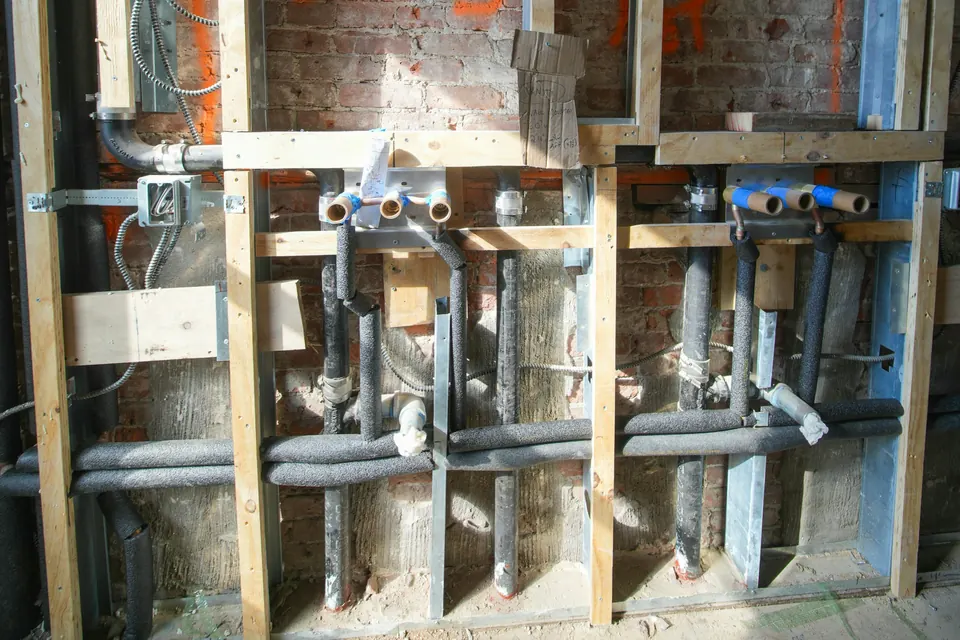
Inside a repipe job
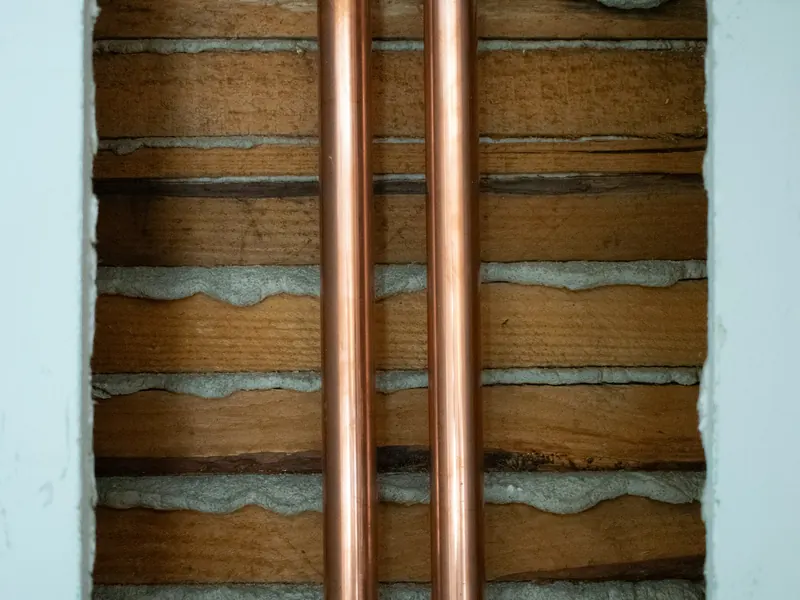
The plumber runs new PEX or copper supply lines to each fixture, connects them, and disconnects the old pipe. They open small sections of drywall to route the new lines and pressure test the system before the walls close. Ask whether drywall patching is part of the estimate.
Main water line replacement
The main line runs underground from the water meter to your house. Low pressure everywhere, a wet strip of lawn or a leak on the house side of the meter can mean the line needs repair or replacement. The utility takes care of the meter and the main in the street.
Common questions
How can I tell if I have polybutylene pipe?
Polybutylene is a flexible gray plastic pipe joined with metal or plastic crimp rings. Check at the water heater, under sinks and where the main enters. A plumber can confirm it during the estimate visit.
PEX or copper?
PEX is flexible, needs fewer fittings and costs less to install. Copper costs more and has decades of use in homes behind it. The plumber can price both.
Will my water be off during a repipe?
For parts of the job. The plumber can walk you through the schedule and when the water will be off when they give the estimate.