Signs your water heater needs service
- No hot water, or it runs out faster than it used to
- Rust-colored or cloudy hot water
- Rumbling or popping sounds from the tank
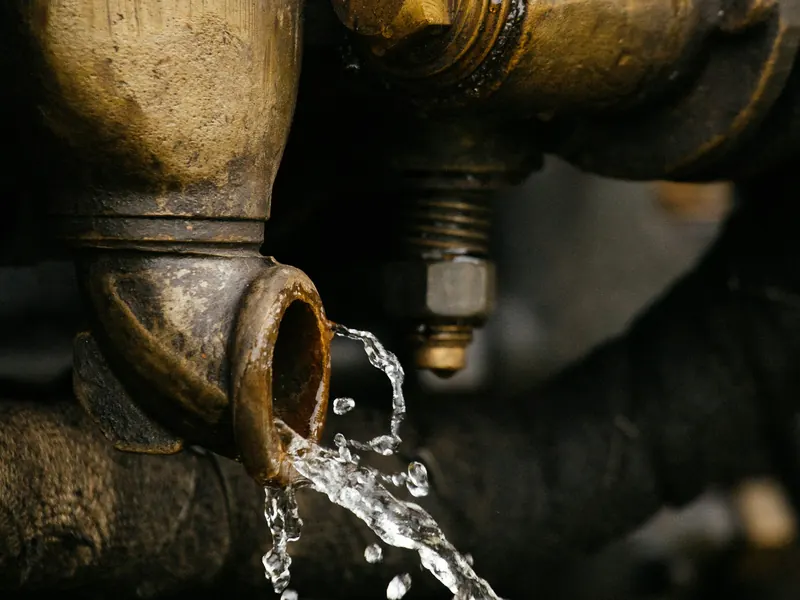
- Water pooling at the base or a dripping relief valve
- A gas pilot that won't stay lit, or an electric unit that trips its breaker
- A tank that is 10 years old or more
Diagnosing the heater
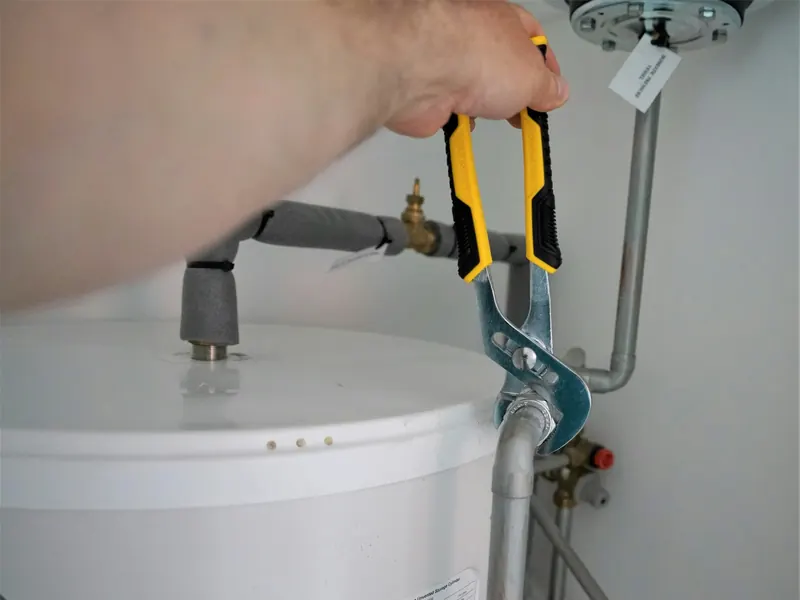
On an electric heater, the plumber tests the heating elements and thermostats, two common failure points. On a gas heater, they check the thermocouple, gas control valve, burner and vent.
Both types get a look at the temperature and pressure relief valve. That valve opens if the tank overheats or builds too much pressure, so it has to work.
Repair or replace?
The U.S. Department of Energy puts the life of a storage water heater at 10 to 15 years. If yours is past 10 and needs a major part, ask the plumber to price the repair and a replacement side by side.
A leak from the tank itself can't be patched. Once the steel inside rusts through, the heater needs replacing. A leak at a fitting, drain valve or relief valve is a repair.
A replacement covers removing the old heater, setting the new one, connecting the water and gas or electric lines, and fitting a new relief valve. The plumber can also size a larger tank or a tankless unit if your household has outgrown the old one.
Common questions
How long do water heaters last?
The U.S. Department of Energy estimates 10 to 15 years for tank water heaters and more than 20 years for most tankless units.
Can a leaking water heater be repaired?
It depends where the water comes from. A plumber can fix a leak at a fitting, drain valve or relief valve. Water seeping from the tank body means the steel has rusted through, and the heater needs replacing.
Do the plumbers work on gas and electric heaters?
Yes. We book plumbers for both gas and electric tank water heaters, plus tankless units.